Article by John Cooper Published on 10 Oct 2026
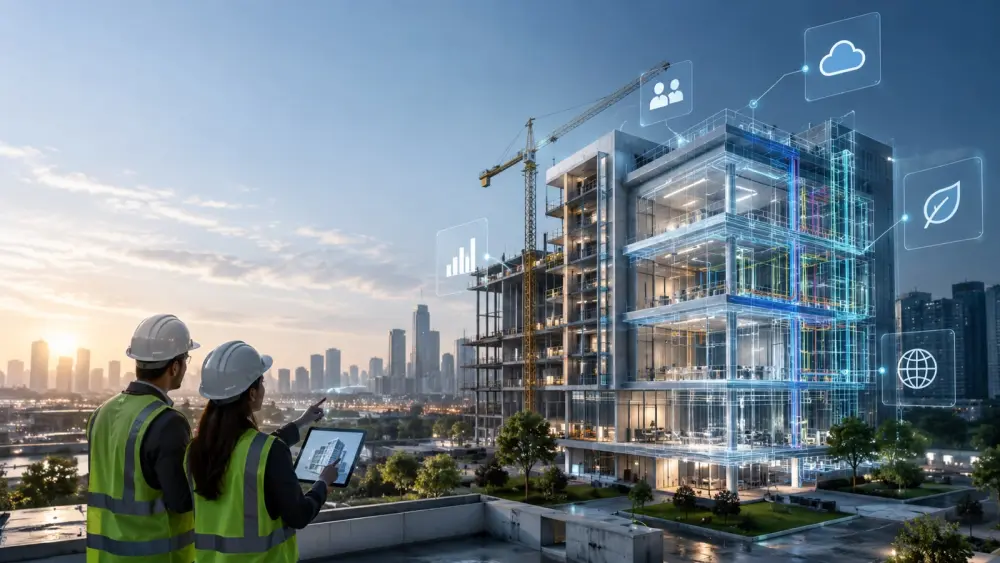
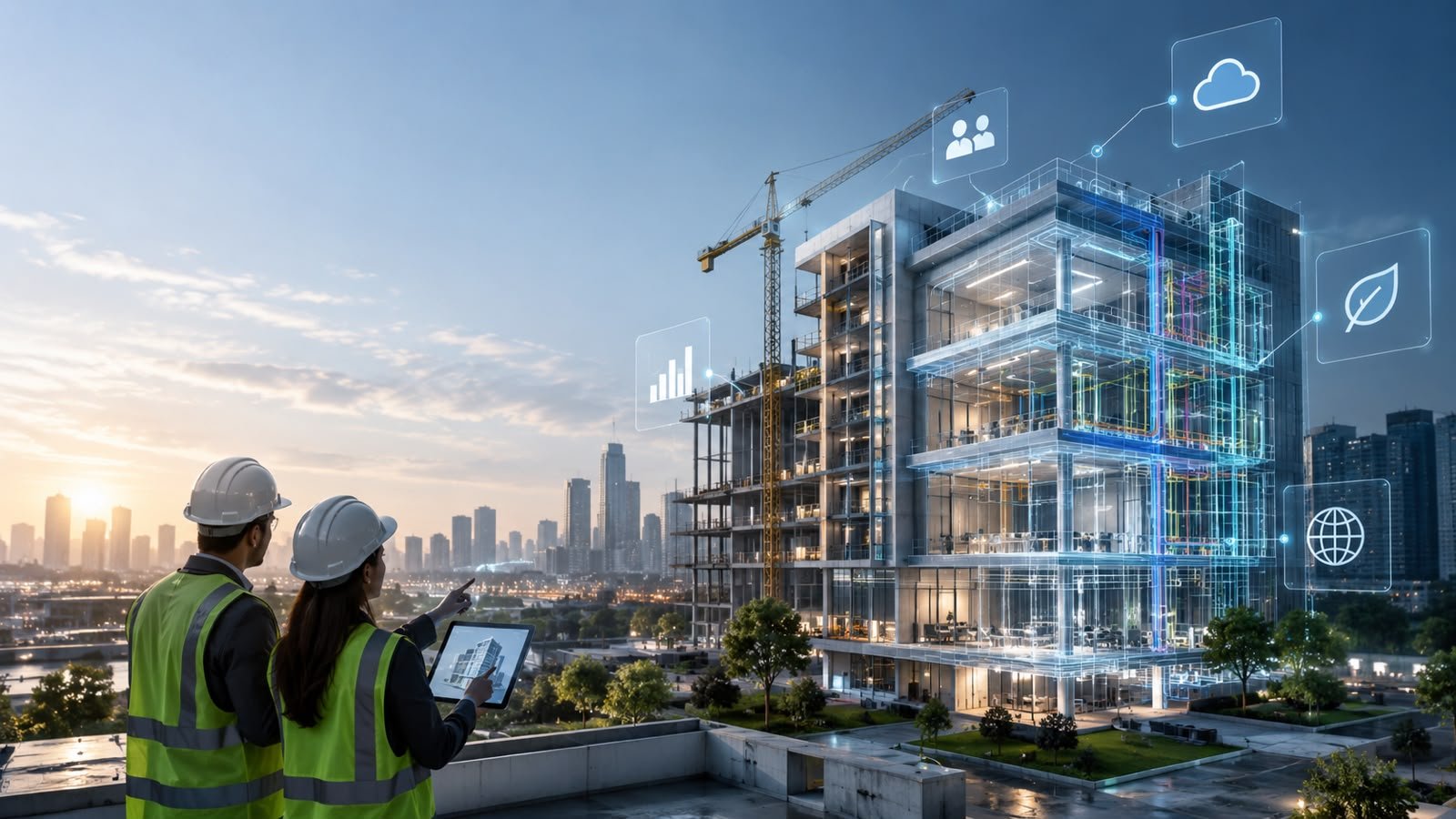
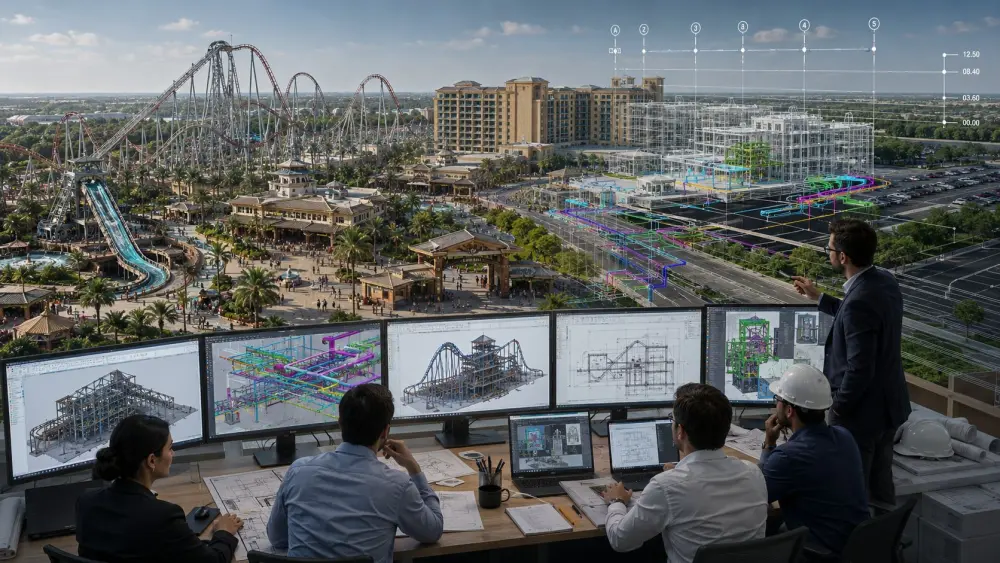
Building Information Modeling is no longer about making detailed 3D models. Over time it has become a part of a process that links design, building, coordination and managing a structure. By 2026 this shift is becoming more obvious. Construction projects are getting more complicated, teams are working from places and customers want projects to be done with more accuracy and less waste. BIM helps with all of this by connecting people, information and tools through a connected process.
From intelligence, to digital twins many new technologies and ideas are influencing the future of BIM. These changes are affecting how AEC professionals plan, design, build and handle projects. Here are some of the BIM trends that I believe you should watch for in 2026.
1. AI Is Changing Everyday BIM Work
Artificial intelligence has moved from an idea to a real tool people use in the AEC industry. In BIM workflows artificial intelligence can help with tasks such as checking models, finding clashes, analysing quantities, improving designs and studying amounts of project data. Tasks that once took hours of work can now be handled by intelligent software.
One important point is that artificial intelligence is not about replacing people. BIM professionals still need experience and technical judgement to see if a design decision really makes sense. The real benefit comes when technology takes on work and BIM professionals spend more time solving problems coordinating teams and making informed decisions.
2. Digital Twins Are Taking BIM Beyond the Construction Phase
A BIM model can hold a lot of information about a building but that information shouldn’t stop being useful once the building is finished. That’s where digital twins are becoming more important.
A digital twin links a version of a building to real-world data from the physical space. This data can include details about equipment, readings from sensors, records of maintenance work or how well the building is performing in terms of energy use or comfort.
For people who manage buildings this connection makes it easier to see what is happening inside the building. It also helps them spot problems before they get worse.
This change is big. BIM is no longer just used during the design and construction phases. It’s now playing a role in the life of a building, from start to finish and beyond.
3. Cloud-Based BIM Is Making Collaboration More Flexible
Construction projects usually do not have all the people working in the place. An architect could be working from one spot, an engineer from a spot while the contractor and the team on the site are working directly at the construction site.
Cloud-based BIM platforms make this kind of teamwork much simpler. Project teams can look at information check models, talk about changes and use the latest files without depending on separate copies. This can cut down on confusion, about which file's the latest one and help different groups stay in sync.
The main benefit is straightforward: everyone has a chance of using the same information at the correct time.
4. OpenBIM and Interoperability Are Becoming More Important
A modern construction project has an opportunity to take advantage of software tools. A particular tool could serve for design, another tool for engineering, while the other tools tackle MEP coordination, scheduling, estimating, fabrication and facility management. Each area is reliant on its platform.
When the platforms are unable to communicate, project data could be inaccessible or even lost, important details not delivered to the right people at the right time and lead to errors, delays and increased costs.
That is why openBIM and interoperability are becoming more important in 2026: OpenBIM enables the access to and exchange of project data across software and standard IFC keeps the consistency of information when transferred from one system to another, while frameworks such, as ISO 19650 aid in information management over the project’s lifecycle.
Interoperability allows for the data to be freely transferred between teams and software, giving designers, engineers, contractors and facility managers the information they need. For construction projects, that difference could be crucial. The project data can reduce errors, improve coordination and lead to a construction process.
5. Sustainability Is Becoming Part of the BIM Conversation
Sustainability is no longer something that can simply be considered after the design is finished. BIM gives design and construction teams the opportunity to evaluate choices earlier in the project.
Depending on the workflow digital models can support energy analysis, material planning, quantity calculations and lifecycle assessments. This allows questions about performance to enter the design process much earlier.
By focusing only on how a building will look, project teams can also consider how efficiently it will operate, how much material it requires and what its long-term environmental impact could be.
As sustainability requirements continue to grow BIM is likely to play a bigger role, in making these decisions more measurable.
6. Reality Capture and Scan-to-BIM Are Growing
Not every BIM project starts with a set of drawings. In renovation, refurbishment or work on existing buildings the paper documents that are often available do not always tell the story. They might be missing details. They could be outdated.
That’s when reality-capture tools like laser scanning, drones and point-cloud surveys become important. These tools gather real-world data fast and with accuracy. The data can then be brought into a BIM workflow. The outcome is a model that reflects the building exactly as it stands today.
This method, commonly known as Scan-to-BIM, gives teams a picture of the actual conditions, on site. It allows them to make design and construction decisions based on facts, not guesses.
It shows how closely the physical world of buildings and the digital world of BIM are linked. These two worlds are no longer separate. They work together to support smarter projects.
7. 4D BIM Is Connecting Models With Construction Schedules
Not every BIM project starts with a set of drawings. In renovation, refurbishment or work on existing buildings the paper documents that are often available do not always tell the story. They might be missing details. They could be outdated. That’s when reality-capture tools like laser scanning, drones and point-cloud surveys become important. These tools gather real-world data fast and with accuracy. The data can then be brought into a BIM workflow. The outcome is a model that reflects the building exactly as it stands today.
This method, commonly known as Scan-to-BIM, gives teams a picture of the actual conditions, on site. It allows them to make design and construction decisions based on facts, not guesses. It shows how closely the physical world of buildings and the digital world of BIM are linked. These two worlds are no longer separate. They work together to support smarter projects.
8. BIM Is Moving Toward a Full Lifecycle Approach
Perhaps the biggest change in BIM is not a piece of software or technology. BIM itself is being viewed in a way. By treating BIM as something used only during design more projects are looking at how information can remain useful throughout construction, handover and building operations.
That means the value of BIM is no longer measured by the quality of the finished model. The bigger question is whether the information inside that model can continue helping people make decisions throughout the building's lifecycle.
What Does the Future of BIM Look Like?
In 2026 BIM is becoming more connected, smarter and more practical. AI helps with analysis. Cloud platforms make collaboration easier. Open standards improve information exchange. Reality capture brings real-world conditions into models. Digital twins extend BIM into building operations. At the time 4D BIM and lifecycle-focused workflows help project teams look beyond just the BIM model and focus on how information can improve real construction.
Technology will keep evolving. Successful BIM will always depend on people who know how to use technology well.
The future of BIM is not about making better models. BIM is about making information, better collaboration and ultimately better decisions, throughout the whole building lifecycle. That is where the next chapter of construction is taking shape.
Read more Blog posts
How AI Is Transforming BIM in 2026: Applications, Benefits, and the Future of AEC
Read More

 Subscribe to our newsletter
